Travel money for Australians: cards, cash and the fees nobody mentions
Three separate fees stack on a single overseas purchase. Two of them are avoidable and one is entirely your choice.
By Jamie · 7 min read · Published 7 May 2026 · Updated 3 September 2026
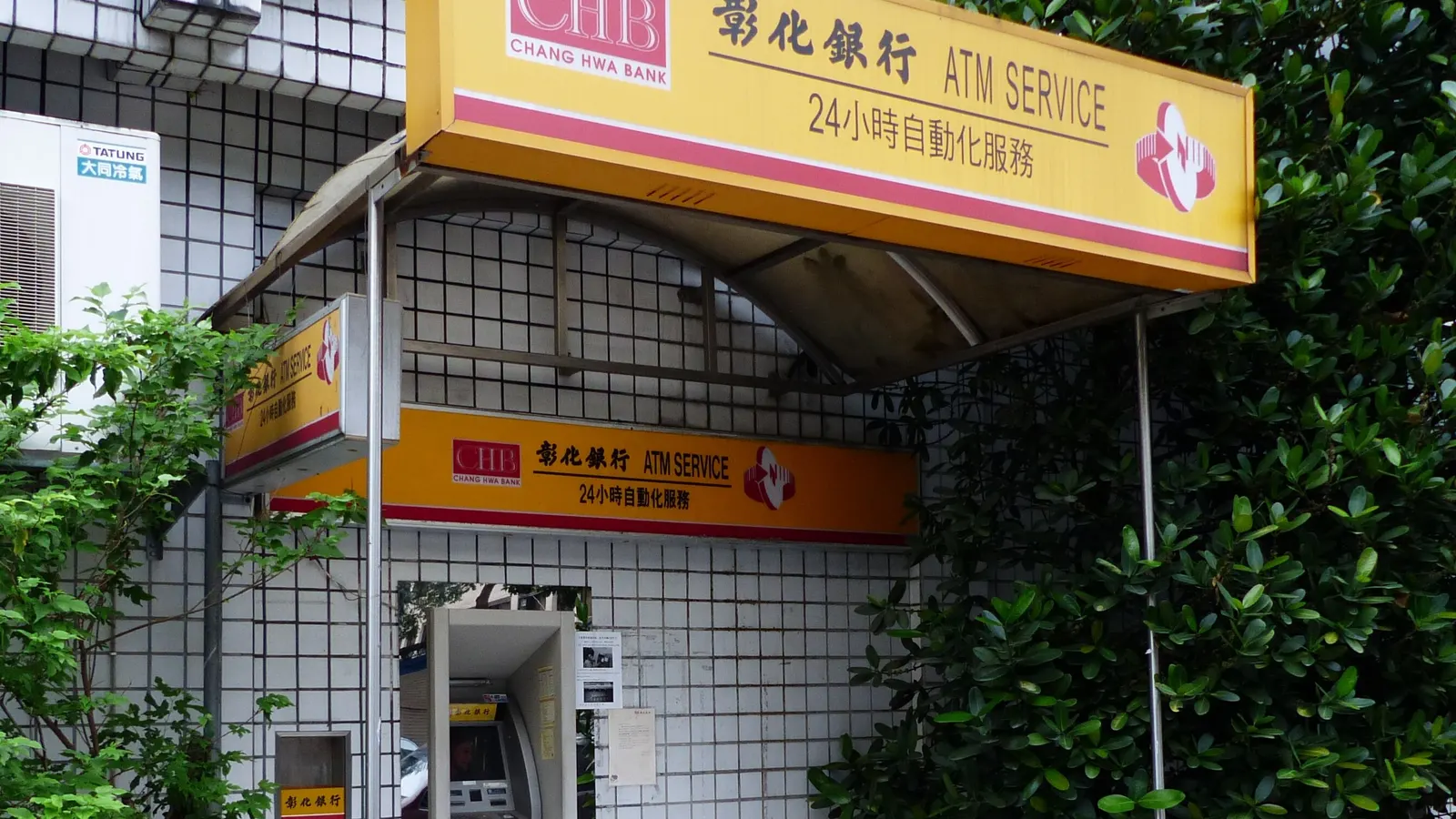
Spending money overseas on a standard Australian bank card involves three fees stacking on top of each other. Most people only ever notice the first.
The three fees
1. The foreign transaction fee. Most Australian banks charge 3% on every overseas purchase. On a $6,000 trip, that's $180 for nothing.
2. The ATM fee. Two of them, actually - your Australian bank's international withdrawal fee (typically $5) and the local operator's fee. Thailand charges a flat 220 baht (about $10) on every foreign card withdrawal, no matter the amount. The Philippines charges around $7. These stack.
3. Dynamic currency conversion. The one that's entirely avoidable, and the one that costs the most.
Dynamic currency conversion, explained
You're at a terminal in Rome. The screen asks whether you'd like to be charged in AUD or EUR. Charging in your own currency sounds helpful.
It isn't. Choosing AUD hands the exchange rate to the merchant's payment processor, which sets it wherever it likes - typically 3-7% worse than the network rate. You pay that markup instead of your card network's rate, and your bank often charges its foreign transaction fee anyway.
Always choose the local currency. Euros in Italy, yen in Japan, baht in Thailand. Every time, at every terminal and every ATM. It's the single highest-value habit on this page - and the full version of the argument, with what the ACCC says about it, is in should you pay in AUD or the local currency.
Cards that don't charge the fee
A handful of Australian accounts drop the foreign transaction fee entirely:
Wise gives you the mid-market rate - the one you see on Google - with a small, disclosed conversion fee of roughly 0.43-0.65%. You can hold and convert 40+ currencies and lock in a rate before you travel. It also includes a monthly fee-free ATM allowance.
Revolut charges nothing on weekday conversions and applies a markup on weekends when currency markets are closed. Fine if you plan around it.
ING Orange Everyday rebates both international transaction fees and international ATM operator fees - genuinely valuable in Thailand - but only if you meet its monthly deposit and card-transaction criteria. Miss them and you're paying full freight.
ubank and Macquarie transaction accounts charge no foreign transaction fees with no monthly hoops, which makes them the low-maintenance choice.
Prepaid travel money cards from Australia Post and Travelex load a margin into the exchange rate itself. The rate looks fee-free because the fee is hidden inside it. They're generally poor value compared with any of the above.
How much cash to carry
This varies far more by destination than people expect, and it's the thing worth checking before each trip. Every destination on this site is researched for this, and the country-by-country cash guide puts all 36 side by side.
Cash-heavy: Japan (temples, small restaurants, rural transport), Indonesia, Vietnam, India, the Philippines outside major cities.
Nearly cashless: Singapore, South Korea, the UK, Sweden, and China - although China is a special case where cards barely work either.
China deserves its own paragraph. Foreign credit cards are accepted at international hotels and almost nowhere else, and cash is increasingly refused. Everyday life runs on Alipay and WeChat Pay, both of which now accept Australian Visa and Mastercard. Set one up before you fly. It's the most important pre-trip task for a China trip, well ahead of anything to do with money changing.
Practical habits
Withdraw larger amounts, less often. Where the local ATM fee is flat - Thailand's 220 baht, the Philippines' ₱250 - the fee per dollar drops sharply the more you take out at once. More on avoiding ATM fees overseas.
Use bank-branded ATMs. In Europe, avoid the standalone Euronet machines in tourist areas; they push aggressive DCC prompts and high fees. Use an actual bank's ATM inside or attached to a branch. In Bali, the same advice reduces skimming risk.
Tell your bank, or at least check the app. Most Australian banks no longer need travel notifications, but many let you set a travel flag in the app to reduce the odds of a fraud block on your first purchase.
Carry two cards from different banks, stored separately. A blocked or swallowed card is a bad afternoon, not a ruined trip, if there's a second one in the safe.
Keep a small amount of AUD or USD cash as a backstop. Not to spend - to change in an emergency if every card fails.
The realistic saving
Switching to a zero-FX card and always declining dynamic currency conversion saves around 5-6% of everything you spend overseas. On a $6,000 trip, that's $300 or so - for about twenty minutes of setup before you leave.
Compare the cards side by side for your destination, and check the destination page for how cash-heavy it actually is.
This is general information, not personal financial advice. Consider the Product Disclosure Statement and Target Market Determination for any product before applying.
Frequently asked questions
Should I pay in Australian dollars or the local currency overseas?
Always the local currency. Choosing Australian dollars triggers dynamic currency conversion, which hands the exchange rate to the merchant's payment processor. It is typically 3 to 7 per cent worse than the network rate, and your bank often charges its foreign transaction fee on top anyway.
Which Australian cards have no foreign transaction fee?
Wise, Revolut, ING Orange Everyday (if you meet its monthly conditions), Macquarie Transaction, ubank Spend and HSBC Global Everyday all waive it. The comparison pages on this site show what each costs in the country you are actually going to.
How much cash should I take overseas?
It depends entirely on the destination. Japan and Indonesia still run on cash outside the major cities, while Singapore, South Korea and the UK are close to cashless. Each destination page says which it is, so you are not carrying a wad of notes around a country that stopped taking them.
Is it better to withdraw cash overseas or exchange it before I go?
Withdrawing from an ATM at the destination almost always beats an airport exchange counter in Australia, even after fees, because the exchange desk rate is usually far worse than the network rate. Withdraw larger amounts less often where the local ATM fee is a flat charge.
Should I tell my bank I am travelling?
Yes, and most Australian banks now let you set a travel notice in the app rather than calling. It takes a minute and it is the difference between your card working on day one and being frozen for suspected fraud while you are standing at a hotel desk.
What should I do if my card is declined overseas?
Carry a second card from a different bank, on a different network if you can, and keep it somewhere separate from the first. A single frozen card is an inconvenience with a backup and a genuine emergency without one. A small amount of AUD or USD cash as a last resort is worth the space.


