🇭🇷 Croatia
Visa-free, on the euro since 2023, and busiest for exactly ten weeks a year.
No - Australian passport holders can enter Croatia without a visa for up to 90 days in any 180-day period.
Pack a Type C/F adapter for the 230V supply, one Australian dollar buys about 0.62 EUR.
Entry rules last checked 24 October 2026.
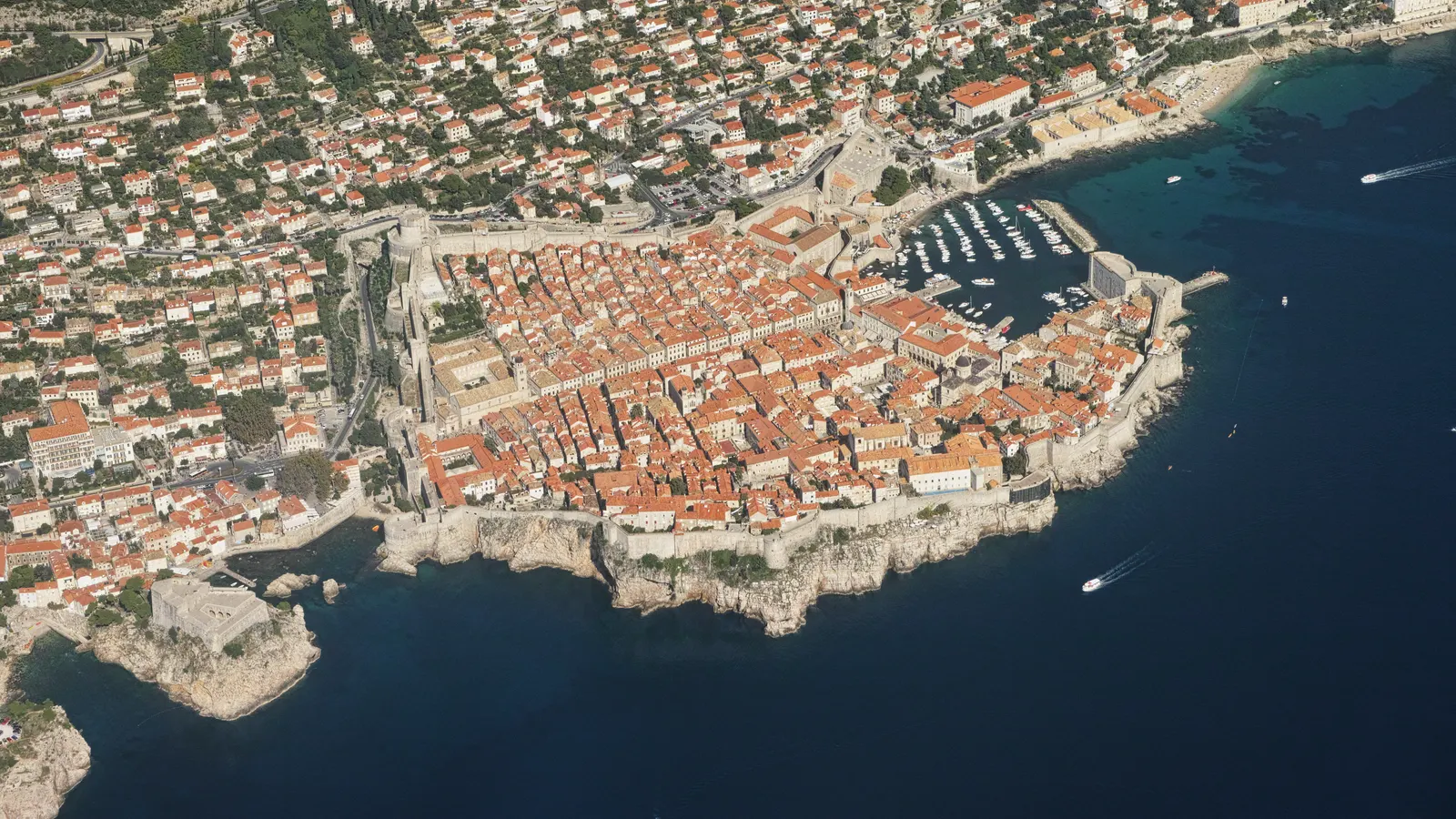
Croatia joined both the Schengen Area and the eurozone on 1 January 2023, which removed the border check from Slovenia and the currency conversion in one go. Entry for Australians is 90 days visa-free. The coast is the draw and the season is short - most of Dalmatia effectively closes outside May to September.
Your Croatia trip setup
21 things Australians need to sort. Tick them off as you go.
Entry requirements
Visa-free (Schengen Area)Up to 90 days in any 180-day period View detailsFlights
Compare 3 searchs Search flightsConnectivity
Compare 8 plansFrom $8.50 Compare eSIMsTravel insurance
Compare 7 policysFrom $18.50 Compare insuranceMoney & payments
Compare 5 cards0.43%-0.65% conversion fee Compare cardsAirport transfer
ZAG → ZagrebFrom $17 Compare optionsDriving
IDP requiredDrives on the right Compare car hireTravel essentials
Adapter type C/FTap water: safe to drink View guideThings to do
Compare 7 experiencesFrom $48 Explore activitiesCroatia at a glance for Australians
Best time to visit
May-June and September
July and August on the Dalmatian coast are extremely crowded and priced accordingly. Many island restaurants and ferries stop running entirely from November to April.
24h 00m from Sydney
Busiest month for Australian travellers: July, quietest March. Croatia travel statistics
Health & safety
Smartraveller: Exercise normal safety precautions
Australia has no reciprocal health care agreement with Croatia. You pay for treatment up front, and an air ambulance home is the cost that turns a bad week into a bad decade.
Emergency: 112 for everything
Money
Good in cities and on the coast. Small konobas, island markets and some ferry ticket offices prefer cash.
Use bank ATMs (Zagrebacka, PBZ, Erste). Euronet machines are common in tourist areas and charge heavily.
Tipping: Round up or leave 10% for good service in a restaurant. Not expected in bars or cafes.
Language & culture
Croatian
English: Very good on the coast and among younger Croatians, more limited inland
Capital: Zagreb
Australian dollar to Euro
€0.62 EUR per AUD
Last recorded rate
These are mid-market rates - the rate banks trade at, published by the European Central Bank. It is not what you will be offered. Expect a card or exchange service to take 0.5% to 5% off it, which is exactly what our travel money comparison is for. Past movement doesn't predict future rates, and none of this is financial advice.
View the numbers as a table
Where Australians go in Croatia
Dubrovnik
Split
Zagreb
Hvar
Zadar
Croatia FAQs for Australian travellers
Do Australians need a visa for Croatia?
No. Australian passport holders can enter Croatia visa-free for up to 90 days in any rolling 180-day period. Croatia joined the Schengen Area on 1 January 2023, so those days now come out of the same shared Schengen allowance as Italy, France and the rest of the zone.
Does Croatia still use the kuna?
No. Croatia adopted the euro on 1 January 2023 and the kuna is no longer legal tender. Any price you see quoted in kuna is out of date.
Do I need an International Driving Permit in Croatia?
Yes. Croatia requires foreign drivers to carry a 1949 Geneva Convention International Driving Permit alongside their Australian licence. Get it from your state motoring club before you leave.
Do I pass through another country driving from Split to Dubrovnik?
On the old coastal road, yes - the Neum corridor is a short stretch of Bosnia and Herzegovina, so carry your passport. The Peljesac Bridge, open since 2022, bypasses it entirely and keeps you in Croatia.
What power adapter do I need for Croatia?
A Type C or F adapter, the round two-pin European plug. Croatia runs on 230V at 50Hz, the same as Australia.
When is the best time to visit the Croatian coast?
May, June and September. July and August are hot, extremely crowded and at peak prices, while from November to April most island ferries, restaurants and hotels in Dalmatia simply shut for the season.
Planning Croatia?
We will send you the Croatia guide as it grows - what to book before you go, which eSIM and travel card are worth it there, and what things actually cost in Australian dollars.